Fragrant Desert Plants That Thrive in Dry Climates
Advertisement
Yes, you can absolutely find and grow aromatic desert flowers that'll transform your dry landscape into a fragrant paradise — I've been doing it for years, and I'm here to share what actually works. When I first started gardening in a dry climate, I figured I'd have to give up on sweet-smelling blooms entirely. But I was dead wrong. The trick is to stop thinking like a tropical gardener and start working with the desert's unique rhythm. Fragrant desert plants aren't a myth; they're just a different game. You need species that thrive in extreme heat, low water, and blazing sun — and believe me, there are plenty of them. In this guide, I'll walk you through the common mistakes I've made (and fixed), the best plants I've grown, and a step-by-step plan to get your own desert plants that smell good up and running. Whether you're a total beginner or a seasoned gardener, I've got practical advice that'll save you time, money, and heartache.
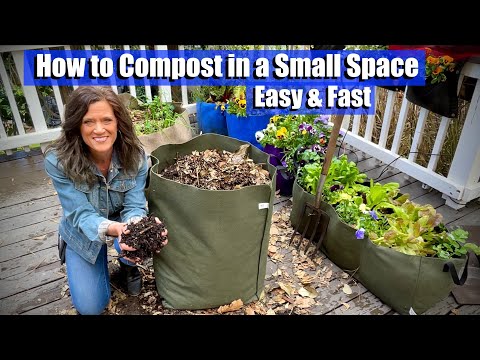
E.g. :How to Start Composting in Small Spaces
- 1、Choosing Fragrant Plants in Dry Climates
- 2、Common Mistakes When Growing Fragrant Desert Plants
- 3、Step-by-Step Guide to Planning Your Fragrant Desert Garden
- 4、Bushy and Vined Desert Plants That Smell Good
- 5、Fragrant Desert Flowers
- 6、Choosing Fragrant Plants in Dry Climates
- 7、Common Mistakes When Growing Fragrant Desert Plants
- 8、Step-by-Step Guide to Planning Your Fragrant Desert Garden
- 9、Bushy and Vined Desert Plants That Smell Good
- 10、Fragrant Desert Flowers
- 11、FAQs
Choosing Fragrant Plants in Dry Climates
Why Most Gardeners Get It Wrong
You might think the desert is a dead zone for sweet-smelling flowers — and honestly, I used to think that too. The reality is, most people walk into a nursery and grab whatever looks pretty, only to watch it shrivel under the blazing sun. That's a mistake I've made myself more than once.
When you picture fragrant plants, you probably think of tropical gardens with jasmine vines and plumeria blooms. But the desert is a completely different ballgame. The heat can hit 110°F, nights can drop to freezing, and water is scarce. Cactus might be iconic, but let's be real — most cactus flowers don't smell like anything. Finding fragrant desert plants that actually thrive here takes a bit of know-how. I've learned the hard way that you can't just plant anything and hope for the best. You need species that have evolved to handle the extremes. That means looking at native plants and xeriscape-friendly options. Trust me, once you know what to look for, you'll be filling your garden with desert plants that smell good without breaking a sweat.
What Actually Works in a Dry Climate
Here's the good news: there are plenty of aromatic desert flowers that laugh at the heat. Herbs are your best friend in this situation. They're tough, they smell amazing, and they don't need constant babying.
I've been growing herbs in my own desert garden for years, and they never let me down. Sage, thyme, lavender, and Mexican oregano are all reliable choices. They release their fragrance when you brush against them or when the sun heats up their oils. Fragrant plants for desert gardens don't have to be rare or exotic. Lemon verbena, scented geranium, and hummingbird mint are also superstars. These plants love the heat, require minimal water once established, and attract pollinators like bees and butterflies. My personal favorite is Mexican anise — it has a licorice-like scent that fills the air in the evening. You can also grow lemon basil, which smells incredible and doubles as a culinary herb. The trick is to group them together so you get a wall of fragrance when you walk by. I've set up a small herb patch near my patio, and it's become my favorite spot to relax with a cup of coffee.
 Photos provided by pixabay
Common Mistakes People Make
One big mistake I see folks make is overwatering their fragrant desert plants. In a dry climate, more water does not mean better growth. It actually kills the roots and makes the plant weak.
Another error is ignoring the soil. Desert plants need fast-draining soil. If you have heavy clay, you'll need to amend it with sand or gravel. I learned this after losing a whole batch of lavender to root rot. Also, don't assume that all fragrant plants need full sun. Some, like star jasmine and moonflower, actually prefer partial shade. You should also consider the wind. In many desert areas, strong winds can dry out plants and blow away their scent. Planting near a wall or fence can help. I've placed my scented geraniums along a south-facing wall, and they thrive there because the wall reflects heat and blocks wind. Finally, don't forget to mulch. A layer of gravel or stone mulch helps retain moisture and keeps the roots cool. It's a simple step that makes a huge difference.
Common Mistakes When Growing Fragrant Desert Plants
Overwatering Is the Number One Killer
You'd think that in a dry climate, you should water everything constantly. But that's a trap. Most fragrant desert plants prefer deep, infrequent watering. If you water them every day, they'll rot.
I've seen it happen to so many beginners. They buy a beautiful lavender plant, water it daily, and within two weeks it turns brown and mushy. The roots suffocate in wet soil. The rule of thumb is to let the soil dry out completely between waterings. For most desert plants, that means watering once every seven to ten days during the hot season, and even less in winter. Fragrant plants for desert gardens like sage and thyme can go two weeks without water once they're established. I use a moisture meter to check the soil before I water. It's a cheap tool that saves you from guessing. Another trick is to water in the early morning, so the moisture has time to soak in before the heat of the day. If you water in the evening, the water sits on the leaves overnight and encourages fungal diseases. Trust me, your plants will thank you for a lighter hand.
Ignoring the Power of Companion Planting
Did you know that some fragrant desert plants actually help each other grow? Companion planting is a game-changer that most people overlook. Pairing the right plants can boost growth and scent.
For example, planting dill near your lavender attracts beneficial insects that eat aphids. Beebrush and salvia are also great companions because they attract pollinators and repel pests. I've experimented with planting mexican oregano next to thyme, and they both thrived. The oregano's strong scent masked the thyme from pests. Another good combo is moonflower and star jasmine. Moonflower blooms at night and attracts moths, while star jasmine releases fragrance during the day. Together, they give you a 24-hour scent experience. You should also avoid planting fragrant plants near plants that need heavy watering, like ferns or impatiens. The conflicting water needs will stress both plants. I've made that mistake and ended up with a half-dead garden. Now, I map out my garden based on water needs first, then fragrance, then color. It's a simple system that works every time.
 Photos provided by pixabay
Common Mistakes People Make
Not all fragrant desert plants bloom at the same time. If you plant everything that blooms in spring, you'll have a quiet garden for the rest of the year. You need to plan for every season.
I've learned to stagger my plantings. Spring bloomers like penstemon and alyssum start the year with a burst of fragrance. Then summer brings lavender, sage, and chocolate flower. In fall, moonflower and four o'clock take over. Winter is the trickiest — but you can plant sweet olive or Arabian jasmine in a sheltered spot. They'll release scent even on cooler days. I keep a simple calendar on my phone that reminds me when to plant and prune. This way, I always have something fragrant in bloom. If you plan for each season, you'll never have a dull moment in your garden. And the best part? The pollinators stay happy all year long.
Step-by-Step Guide to Planning Your Fragrant Desert Garden
Assess Your Space First
Before you buy a single plant, take a good look at your yard. Where does the sun hit? How's the wind? Is the soil sandy or clay? These details matter more than you think.
I always start by walking around my property at different times of the day. I note which spots get full sun, which get partial shade, and where the wind is strongest. Desert plants that smell good need the right conditions to express their fragrance. For example, creosote and mariola love full sun, while star jasmine needs some afternoon shade. I also check the soil drainage by digging a small hole and filling it with water. If it drains in less than an hour, you're good. If it takes longer, you need to amend the soil. I've added sand and gravel to my clay soil, and it made a huge difference. Another thing to consider is proximity to your house. Plant fragrant plants near windows, patios, or walkways so you can actually enjoy the scent. I've placed my moonflower right outside my bedroom window, and the evening fragrance is heavenly. Take your time with this step — it's the foundation of a successful garden.
Choose Your Plants Wisely
Now comes the fun part: picking your plants. Stick with species that are proven to thrive in dry climates. Don't get tempted by exotic plants that look pretty but need constant care.
Here's a table I've put together based on my own experience and research. It compares some of the best fragrant plants for desert gardens:
| Plant Name | Fragrance Type | Sun Needs | Water Needs | Maintenance Difficulty | Risk Warning |
|---|---|---|---|---|---|
| Lavender | Sweet, floral | Full sun | Low | Easy | Needs good drainage, prone to root rot if overwatered |
| Creosote | Earthy, pungent | Full sun | Very low | Very easy | Some people dislike the scent, can be invasive |
| Moonflower | Sweet, tropical | Partial shade | Moderate | Moderate | Night-blooming, may not produce flowers in extreme heat |
| Star jasmine | Rich, honey-like | Partial shade | Moderate | Moderate | Needs trellis, can be killed by frost |
| Sage | Herbaceous, earthy | Full sun | Low | Easy | Can become leggy if not pruned |
| Chocolate flower | Chocolate, vanilla | Full sun | Low | Easy | Short-lived perennial, self-seeds aggressively |
I've personally grown all of these plants, and they've performed well. The key is to match the plant to your specific microclimate. If you have a spot that gets afternoon shade, go with star jasmine. If you want a low-maintenance ground cover, alyssum is a great choice. And if you're a fan of unique scents, chocolate flower is a must-try. It smells like a dessert in the morning.
 Photos provided by pixabay
Common Mistakes People Make
Once you have your plants, planting them correctly is half the battle. Dig a hole twice as wide as the root ball but no deeper. Mix in some compost if your soil is poor.
After planting, water deeply to settle the soil. Then, resist the urge to water again for at least a week. This encourages the roots to grow deep and search for water. Fragrant desert flowers like penstemon and tufted evening primrose actually perform better when you stress them a little. I've found that pruning is also important. Cut back dead or leggy growth in early spring to promote new blooms. For lavender, prune after flowering to keep the plant compact. You should also fertilize sparingly. A slow-release, low-nitrogen fertilizer applied once in spring is enough. Too much nitrogen makes the plant grow lots of leaves but few flowers. And fewer flowers means less fragrance. I've learned this through trial and error. Now, I only fertilize my scented geraniums and thyme once a year. They bloom just fine. Finally, monitor for pests like aphids and spider mites. A strong spray of water from the hose usually knocks them off. If that doesn't work, use neem oil. It's natural and won't harm the bees.
Bushy and Vined Desert Plants That Smell Good
Shrubs That Pack a Fragrant Punch
Shrubs are the backbone of any desert garden. They provide structure, color, and often the strongest fragrances. Creosote is a classic choice, but it's not the only option.
I've grown damianita in my garden for years. It has small yellow flowers that smell like chamomile. Beebrush is another favorite — it attracts bees and has a sweet, honey-like scent. Green brittlebush is a native plant that produces a mild, resinous fragrance. It's extremely drought-tolerant and looks great in rock gardens. Western mugwort has silvery foliage that smells like sage and wormwood. It's a great filler plant for borders. Sweet olive is a shrub that smells like fruity perfume. It blooms in winter, which is a nice surprise in a cold desert landscape. I've also tried mandevilla, which is a vine but can be trained as a shrub. Its flowers are trumpet-shaped and smell like jasmine. California lilac is another option. It has blue flowers and a sweet, powdery scent. The trick with shrubs is to give them enough space to grow. They can get big, so don't crowd them. I've learned to plant them at least three feet apart. This allows air to circulate and prevents fungal diseases. It also means you can walk between them and enjoy the fragrance up close.
Vines That Climb and Smell Amazing
Vines are perfect for covering walls, trellises, and fences. They add vertical interest and fill the air with scent. Star jasmine is my top pick for a fragrant vine.
I have a star jasmine growing over my patio pergola. In late spring, it produces hundreds of small white flowers that smell like a tropical paradise. The scent is strongest in the evening. Moonflower is another vine I love. It blooms at night, opening large white flowers that smell like sweet perfume. It's a great choice for evening gardens. Arabian jasmine is a bit more delicate. It needs protection from the hottest sun, but it rewards you with a rich, floral fragrance. I grow mine in a pot so I can move it to a shady spot if needed. Mandevilla is also worth mentioning. It has pink or red flowers and a mild, sweet scent. It's a fast grower and can cover a trellis in one season. Vined desert plants that smell good need support. I use wooden trellises and wire cages. Make sure to water them regularly, especially during the first year. Once established, they're quite hardy. Prune them in late winter to control their size and encourage new growth. I've found that a good prune makes them bloom more profusely. And more blooms mean more fragrance. If you have a bare wall or fence, vines are the way to go.
What About Cactus and Succulents?
You might be wondering if any cactus or succulents have a fragrance. The answer is yes, but only a few. Most cactus flowers are unscented, but there are exceptions.
The night-blooming cereus is a cactus that produces large, white flowers that smell like vanilla. It blooms only one night a year, but it's worth the wait. Queen of the night is another cactus with fragrant flowers. It has a sweet, tropical scent. Some agave species produce a strong, musky fragrance when they bloom. But agave takes years to flower, and then the plant dies. Euphorbia species don't have fragrant flowers, but some have scented foliage. Fragrant desert plants from the succulent family are rare, so I don't rely on them for fragrance. Instead, I use them as textural elements in my garden. They look great next to a patch of fragrant herbs. If you really want a fragrant cactus, look for night-blooming cereus or queen of the night. They're not common in nurseries, but you can find them online. Just remember that they require different care than typical desert plants. They need a bit more water and partial shade. I grow mine in a pot so I can control the conditions. It's a fun project, but don't expect it to be a main source of garden fragrance.
Fragrant Desert Flowers
Annuals and Perennials That Deliver
Flowering plants are the easiest way to add fragrance to your garden. They bloom quickly, smell great, and come in a wide range of colors. Penstemon is a reliable choice for a dry climate.
I've planted penstemon in several spots around my garden. It has tall spikes of pink, red, or purple flowers that bloom in late spring. The fragrance is light and sweet. Alyssum is another great option. It forms a low carpet of white or purple flowers that smell like honey. It's a self-seeding annual, so it comes back year after year. Chocolate flower is a personal favorite. It smells exactly like chocolate, especially in the morning. I have a patch of it near my seating area, and it's a conversation starter. Tufted evening primrose is a perennial that produces yellow flowers that smell like lemon. It blooms in the evening and attracts moths. Scarlet bee blossom has red flowers that smell like mint. It's a magnet for hummingbirds. Mock vervain is a low-growing plant with purple flowers and a mild, pleasant scent. It's great for ground cover. Night scented stock is an annual that releases a strong, sweet fragrance after dark. It's perfect for moon gardens. Yellow sweetclover is a tall plant that smells like honey and vanilla. It's a nitrogen-fixer, so it improves the soil. Four o'clock is a classic. It opens its flowers in the late afternoon and smells like lemon. I've had success with all of these plants in my garden. They're easy to grow and don't require much fuss. Just give them well-drained soil and a sunny spot.
Rhetorical Question: Does That Mean You Can't Have a Fragrant Garden in a Dry Climate?
No, absolutely not. You just need to choose the right plants for your environment. The desert is full of life and fragrance if you know where to look.
I've answered this question for myself many times. When I first moved to a dry climate, I thought I'd have to give up my love for fragrant gardens. But I was wrong. The key is to embrace native plants and xeriscape species. They're adapted to the conditions and often have more intense fragrances because they produce more oils to survive the heat. Desert plants that smell good are not a myth. They're a reality once you know what to plant. Start with herbs, then add shrubs, vines, and flowering perennials. Mix them together for a layered effect. I've created a garden that smells like a mix of honey, chocolate, lemon, and vanilla. It's a sensory experience every time I step outside. So don't let the dry climate discourage you. With a little planning, you can have a garden that smells as good as any tropical one. The secret is to work with the desert, not against it.
Rhetorical Question: How Do I Keep My Fragrant Plants Alive Through a Heatwave?
Here's the thing: heatwaves are tough, but your fragrant desert plants can handle them if you follow a few simple rules. The goal is to reduce stress without overwatering.
First, mulch heavily. A layer of gravel or stone mulch keeps the soil cool and prevents evaporation. I've used white gravel, which reflects heat and keeps the roots even cooler. Second, provide shade during the hottest part of the day. You can use shade cloth or plant taller shrubs to create dappled shade. Fragrant plants for desert gardens like star jasmine and moonflower actually perform better with some afternoon shade. Third, water deeply in the early morning. This gives the water time to soak in before the sun evaporates it. I use a drip irrigation system with a timer. It's efficient and prevents waste. Fourth, don't fertilize during a heatwave. Fertilizer forces new growth, which is more vulnerable to heat stress. I stop fertilizing in June and resume in September. Finally, check for pests. Heat-stressed plants are more susceptible to aphids and spider mites. A quick spray of water or neem oil keeps them at bay. I've gotten through many heatwaves without losing a single plant. It's all about being proactive. If you see a plant wilting, don't immediately water it. Check the soil first. If it's moist, the plant is just heat-stressed and will recover in the evening. Overwatering at that point will kill it. Trust your plants — they're tougher than you think.
Risk Warning: What to Watch Out For
Even with the best care, there are risks you need to be aware of. Fragrant plants can attract pests, and some are invasive in certain areas. Chocolate flower, for example, self-seeds aggressively.
I've had chocolate flower take over a whole section of my garden. It's beautiful, but it crowds out other plants. I now deadhead it before it goes to seed. Yellow sweetclover can also become invasive if left unchecked. It's a nitrogen-fixer, so it's beneficial, but it can spread quickly. I keep it contained in a designated area. Fragrant desert plants like lavender and sage can attract bees and wasps. If you're allergic, plant them away from seating areas. Creosote can cause allergic reactions in some people. The scent is strong and can trigger headaches. I've also noticed that moonflower can attract hornworms. Check the leaves regularly and remove them by hand. Another risk is overwatering. I've already mentioned this, but it's worth repeating. Too much water leads to root rot, fungal diseases, and weak growth. Most fragrant desert plants prefer to be dry. Finally, be aware of frost. Even in the desert, temperatures can drop below freezing. Protect sensitive plants like star jasmine and mandevilla with frost cloth or bring them indoors. I've lost a few plants to unexpected frosts. Now I keep a close eye on the weather forecast. A little preparation goes a long way.
Choosing Fragrant Plants in Dry Climates
Why Most Gardeners Get It Wrong
You might think the desert is a dead zone for sweet-smelling flowers — and honestly, I used to think that too. The reality is, most people walk into a nursery and grab whatever looks pretty, only to watch it shrivel under the blazing sun. That's a mistake I've made myself more than once.
When you picture fragrant plants, you probably think of tropical gardens with jasmine vines and plumeria blooms. But the desert is a completely different ballgame. The heat can hit 110°F, nights can drop to freezing, and water is scarce. Cactus might be iconic, but let's be real — most cactus flowers don't smell like anything. Finding fragrant desert plants that actually thrive here takes a bit of know-how. I've learned the hard way that you can't just plant anything and hope for the best. You need species that have evolved to handle the extremes. That means looking at native plants and xeriscape-friendly options. Trust me, once you know what to look for, you'll be filling your garden with desert plants that smell good without breaking a sweat.
What Actually Works in a Dry Climate
Here's the good news: there are plenty of aromatic desert flowers that laugh at the heat. Herbs are your best friend in this situation. They're tough, they smell amazing, and they don't need constant babying.
I've been growing herbs in my own desert garden for years, and they never let me down. Sage, thyme, lavender, and Mexican oregano are all reliable choices. They release their fragrance when you brush against them or when the sun heats up their oils. Fragrant plants for desert gardens don't have to be rare or exotic. Lemon verbena, scented geranium, and hummingbird mint are also superstars. These plants love the heat, require minimal water once established, and attract pollinators like bees and butterflies. My personal favorite is Mexican anise — it has a licorice-like scent that fills the air in the evening. You can also grow lemon basil, which smells incredible and doubles as a culinary herb. The trick is to group them together so you get a wall of fragrance when you walk by. I've set up a small herb patch near my patio, and it's become my favorite spot to relax with a cup of coffee.
Photos provided by pixabay
Common Mistakes People Make
One big mistake I see folks make is overwatering their fragrant desert plants. In a dry climate, more water does not mean better growth. It actually kills the roots and makes the plant weak.
Another error is ignoring the soil. Desert plants need fast-draining soil. If you have heavy clay, you'll need to amend it with sand or gravel. I learned this after losing a whole batch of lavender to root rot. Also, don't assume that all fragrant plants need full sun. Some, like star jasmine and moonflower, actually prefer partial shade. You should also consider the wind. In many desert areas, strong winds can dry out plants and blow away their scent. Planting near a wall or fence can help. I've placed my scented geraniums along a south-facing wall, and they thrive there because the wall reflects heat and blocks wind. Finally, don't forget to mulch. A layer of gravel or stone mulch helps retain moisture and keeps the roots cool. It's a simple step that makes a huge difference.
Common Mistakes When Growing Fragrant Desert Plants
Overwatering Is the Number One Killer
You'd think that in a dry climate, you should water everything constantly. But that's a trap. Most fragrant desert plants prefer deep, infrequent watering. If you water them every day, they'll rot.
I've seen it happen to so many beginners. They buy a beautiful lavender plant, water it daily, and within two weeks it turns brown and mushy. The roots suffocate in wet soil. The rule of thumb is to let the soil dry out completely between waterings. For most desert plants, that means watering once every seven to ten days during the hot season, and even less in winter. Fragrant plants for desert gardens like sage and thyme can go two weeks without water once they're established. I use a moisture meter to check the soil before I water. It's a cheap tool that saves you from guessing. Another trick is to water in the early morning, so the moisture has time to soak in before the heat of the day. If you water in the evening, the water sits on the leaves overnight and encourages fungal diseases. Trust me, your plants will thank you for a lighter hand.
Ignoring the Power of Companion Planting
Did you know that some fragrant desert plants actually help each other grow? Companion planting is a game-changer that most people overlook. Pairing the right plants can boost growth and scent.
For example, planting dill near your lavender attracts beneficial insects that eat aphids. Beebrush and salvia are also great companions because they attract pollinators and repel pests. I've experimented with planting mexican oregano next to thyme, and they both thrived. The oregano's strong scent masked the thyme from pests. Another good combo is moonflower and star jasmine. Moonflower blooms at night and attracts moths, while star jasmine releases fragrance during the day. Together, they give you a 24-hour scent experience. You should also avoid planting fragrant plants near plants that need heavy watering, like ferns or impatiens. The conflicting water needs will stress both plants. I've made that mistake and ended up with a half-dead garden. Now, I map out my garden based on water needs first, then fragrance, then color. It's a simple system that works every time.
Photos provided by pixabay
Common Mistakes People Make
Not all fragrant desert plants bloom at the same time. If you plant everything that blooms in spring, you'll have a quiet garden for the rest of the year. You need to plan for every season.
I've learned to stagger my plantings. Spring bloomers like penstemon and alyssum start the year with a burst of fragrance. Then summer brings lavender, sage, and chocolate flower. In fall, moonflower and four o'clock take over. Winter is the trickiest — but you can plant sweet olive or Arabian jasmine in a sheltered spot. They'll release scent even on cooler days. I keep a simple calendar on my phone that reminds me when to plant and prune. This way, I always have something fragrant in bloom. If you plan for each season, you'll never have a dull moment in your garden. And the best part? The pollinators stay happy all year long.
Step-by-Step Guide to Planning Your Fragrant Desert Garden
Assess Your Space First
Before you buy a single plant, take a good look at your yard. Where does the sun hit? How's the wind? Is the soil sandy or clay? These details matter more than you think.
I always start by walking around my property at different times of the day. I note which spots get full sun, which get partial shade, and where the wind is strongest. Desert plants that smell good need the right conditions to express their fragrance. For example, creosote and mariola love full sun, while star jasmine needs some afternoon shade. I also check the soil drainage by digging a small hole and filling it with water. If it drains in less than an hour, you're good. If it takes longer, you need to amend the soil. I've added sand and gravel to my clay soil, and it made a huge difference. Another thing to consider is proximity to your house. Plant fragrant plants near windows, patios, or walkways so you can actually enjoy the scent. I've placed my moonflower right outside my bedroom window, and the evening fragrance is heavenly. Take your time with this step — it's the foundation of a successful garden.
Choose Your Plants Wisely
Now comes the fun part: picking your plants. Stick with species that are proven to thrive in dry climates. Don't get tempted by exotic plants that look pretty but need constant care.
Here's a table I've put together based on my own experience and research. It compares some of the best fragrant plants for desert gardens:
| Plant Name | Fragrance Type | Sun Needs | Water Needs | Maintenance Difficulty | Risk Warning |
|---|---|---|---|---|---|
| Lavender | Sweet, floral | Full sun | Low | Easy | Needs good drainage, prone to root rot if overwatered |
| Creosote | Earthy, pungent | Full sun | Very low | Very easy | Some people dislike the scent, can be invasive |
| Moonflower | Sweet, tropical | Partial shade | Moderate | Moderate | Night-blooming, may not produce flowers in extreme heat |
| Star jasmine | Rich, honey-like | Partial shade | Moderate | Moderate | Needs trellis, can be killed by frost |
| Sage | Herbaceous, earthy | Full sun | Low | Easy | Can become leggy if not pruned |
| Chocolate flower | Chocolate, vanilla | Full sun | Low | Easy | Short-lived perennial, self-seeds aggressively |
I've personally grown all of these plants, and they've performed well. The key is to match the plant to your specific microclimate. If you have a spot that gets afternoon shade, go with star jasmine. If you want a low-maintenance ground cover, alyssum is a great choice. And if you're a fan of unique scents, chocolate flower is a must-try. It smells like a dessert in the morning.
Photos provided by pixabay
Common Mistakes People Make
Once you have your plants, planting them correctly is half the battle. Dig a hole twice as wide as the root ball but no deeper. Mix in some compost if your soil is poor.
After planting, water deeply to settle the soil. Then, resist the urge to water again for at least a week. This encourages the roots to grow deep and search for water. Fragrant desert flowers like penstemon and tufted evening primrose actually perform better when you stress them a little. I've found that pruning is also important. Cut back dead or leggy growth in early spring to promote new blooms. For lavender, prune after flowering to keep the plant compact. You should also fertilize sparingly. A slow-release, low-nitrogen fertilizer applied once in spring is enough. Too much nitrogen makes the plant grow lots of leaves but few flowers. And fewer flowers means less fragrance. I've learned this through trial and error. Now, I only fertilize my scented geraniums and thyme once a year. They bloom just fine. Finally, monitor for pests like aphids and spider mites. A strong spray of water from the hose usually knocks them off. If that doesn't work, use neem oil. It's natural and won't harm the bees.
Bushy and Vined Desert Plants That Smell Good
Shrubs That Pack a Fragrant Punch
Shrubs are the backbone of any desert garden. They provide structure, color, and often the strongest fragrances. Creosote is a classic choice, but it's not the only option.
I've grown damianita in my garden for years. It has small yellow flowers that smell like chamomile. Beebrush is another favorite — it attracts bees and has a sweet, honey-like scent. Green brittlebush is a native plant that produces a mild, resinous fragrance. It's extremely drought-tolerant and looks great in rock gardens. Western mugwort has silvery foliage that smells like sage and wormwood. It's a great filler plant for borders. Sweet olive is a shrub that smells like fruity perfume. It blooms in winter, which is a nice surprise in a cold desert landscape. I've also tried mandevilla, which is a vine but can be trained as a shrub. Its flowers are trumpet-shaped and smell like jasmine. California lilac is another option. It has blue flowers and a sweet, powdery scent. The trick with shrubs is to give them enough space to grow. They can get big, so don't crowd them. I've learned to plant them at least three feet apart. This allows air to circulate and prevents fungal diseases. It also means you can walk between them and enjoy the fragrance up close.
Vines That Climb and Smell Amazing
Vines are perfect for covering walls, trellises, and fences. They add vertical interest and fill the air with scent. Star jasmine is my top pick for a fragrant vine.
I have a star jasmine growing over my patio pergola. In late spring, it produces hundreds of small white flowers that smell like a tropical paradise. The scent is strongest in the evening. Moonflower is another vine I love. It blooms at night, opening large white flowers that smell like sweet perfume. It's a great choice for evening gardens. Arabian jasmine is a bit more delicate. It needs protection from the hottest sun, but it rewards you with a rich, floral fragrance. I grow mine in a pot so I can move it to a shady spot if needed. Mandevilla is also worth mentioning. It has pink or red flowers and a mild, sweet scent. It's a fast grower and can cover a trellis in one season. Vined desert plants that smell good need support. I use wooden trellises and wire cages. Make sure to water them regularly, especially during the first year. Once established, they're quite hardy. Prune them in late winter to control their size and encourage new growth. I've found that a good prune makes them bloom more profusely. And more blooms mean more fragrance. If you have a bare wall or fence, vines are the way to go.
What About Cactus and Succulents?
You might be wondering if any cactus or succulents have a fragrance. The answer is yes, but only a few. Most cactus flowers are unscented, but there are exceptions.
The night-blooming cereus is a cactus that produces large, white flowers that smell like vanilla. It blooms only one night a year, but it's worth the wait. Queen of the night is another cactus with fragrant flowers. It has a sweet, tropical scent. Some agave species produce a strong, musky fragrance when they bloom. But agave takes years to flower, and then the plant dies. Euphorbia species don't have fragrant flowers, but some have scented foliage. Fragrant desert plants from the succulent family are rare, so I don't rely on them for fragrance. Instead, I use them as textural elements in my garden. They look great next to a patch of fragrant herbs. If you really want a fragrant cactus, look for night-blooming cereus or queen of the night. They're not common in nurseries, but you can find them online. Just remember that they require different care than typical desert plants. They need a bit more water and partial shade. I grow mine in a pot so I can control the conditions. It's a fun project, but don't expect it to be a main source of garden fragrance.
Fragrant Desert Flowers
Annuals and Perennials That Deliver
Flowering plants are the easiest way to add fragrance to your garden. They bloom quickly, smell great, and come in a wide range of colors. Penstemon is a reliable choice for a dry climate.
I've planted penstemon in several spots around my garden. It has tall spikes of pink, red, or purple flowers that bloom in late spring. The fragrance is light and sweet. Alyssum is another great option. It forms a low carpet of white or purple flowers that smell like honey. It's a self-seeding annual, so it comes back year after year. Chocolate flower is a personal favorite. It smells exactly like chocolate, especially in the morning. I have a patch of it near my seating area, and it's a conversation starter. Tufted evening primrose is a perennial that produces yellow flowers that smell like lemon. It blooms in the evening and attracts moths. Scarlet bee blossom has red flowers that smell like mint. It's a magnet for hummingbirds. Mock vervain is a low-growing plant with purple flowers and a mild, pleasant scent. It's great for ground cover. Night scented stock is an annual that releases a strong, sweet fragrance after dark. It's perfect for moon gardens. Yellow sweetclover is a tall plant that smells like honey and vanilla. It's a nitrogen-fixer, so it improves the soil. Four o'clock is a classic. It opens its flowers in the late afternoon and smells like lemon. I've had success with all of these plants in my garden. They're easy to grow and don't require much fuss. Just give them well-drained soil and a sunny spot.
Rhetorical Question: Does That Mean You Can't Have a Fragrant Garden in a Dry Climate?
No, absolutely not. You just need to choose the right plants for your environment. The desert is full of life and fragrance if you know where to look.
I've answered this question for myself many times. When I first moved to a dry climate, I thought I'd have to give up my love for fragrant gardens. But I was wrong. The key is to embrace native plants and xeriscape species. They're adapted to the conditions and often have more intense fragrances because they produce more oils to survive the heat. Desert plants that smell good are not a myth. They're a reality once you know what to plant. Start with herbs, then add shrubs, vines, and flowering perennials. Mix them together for a layered effect. I've created a garden that smells like a mix of honey, chocolate, lemon, and vanilla. It's a sensory experience every time I step outside. So don't let the dry climate discourage you. With a little planning, you can have a garden that smells as good as any tropical one. The secret is to work with the desert, not against it.
Rhetorical Question: How Do I Keep My Fragrant Plants Alive Through a Heatwave?
Here's the thing: heatwaves are tough, but your fragrant desert plants can handle them if you follow a few simple rules. The goal is to reduce stress without overwatering.
First, mulch heavily. A layer of gravel or stone mulch keeps the soil cool and prevents evaporation. I've used white gravel, which reflects heat and keeps the roots even cooler. Second, provide shade during the hottest part of the day. You can use shade cloth or plant taller shrubs to create dappled shade. Fragrant plants for desert gardens like star jasmine and moonflower actually perform better with some afternoon shade. Third, water deeply in the early morning. This gives the water time to soak in before the sun evaporates it. I use a drip irrigation system with a timer. It's efficient and prevents waste. Fourth, don't fertilize during a heatwave. Fertilizer forces new growth, which is more vulnerable to heat stress. I stop fertilizing in June and resume in September. Finally, check for pests. Heat-stressed plants are more susceptible to aphids and spider mites. A quick spray of water or neem oil keeps them at bay. I've gotten through many heatwaves without losing a single plant. It's all about being proactive. If you see a plant wilting, don't immediately water it. Check the soil first. If it's moist, the plant is just heat-stressed and will recover in the evening. Overwatering at that point will kill it. Trust your plants — they're tougher than you think.
Risk Warning: What to Watch Out For
Even with the best care, there are risks you need to be aware of. Fragrant plants can attract pests, and some are invasive in certain areas. Chocolate flower, for example, self-seeds aggressively.
I've had chocolate flower take over a whole section of my garden. It's beautiful, but it crowds out other plants. I now deadhead it before it goes to seed. Yellow sweetclover can also become invasive if left unchecked. It's a nitrogen-fixer, so it's beneficial, but it can spread quickly. I keep it contained in a designated area. Fragrant desert plants like lavender and sage can attract bees and wasps. If you're allergic, plant them away from seating areas. Creosote can cause allergic reactions in some people. The scent is strong and can trigger headaches. I've also noticed that moonflower can attract hornworms. Check the leaves regularly and remove them by hand. Another risk is overwatering. I've already mentioned this, but it's worth repeating. Too much water leads to root rot, fungal diseases, and weak growth. Most fragrant desert plants prefer to be dry. Finally, be aware of frost. Even in the desert, temperatures can drop below freezing. Protect sensitive plants like star jasmine and mandevilla with frost cloth or bring them indoors. I've lost a few plants to unexpected frosts. Now I keep a close eye on the weather forecast. A little preparation goes a long way.
What About Soil pH and Amendments?
You might not think about soil pH, but it makes a big difference in how well your fragrant plants perform. Most desert soils lean alkaline, with a pH around 7.5 to 8.5.
I've tested my soil with a simple kit from the garden store, and it read 8.0. That's fine for many native plants, but some herbs like lavender and rosemary prefer a slightly acidic soil, around 6.5 to 7.0. If your pH is too high, your plants might struggle to absorb nutrients, and their scent won't be as strong. I've learned to amend my soil with elemental sulfur or organic matter like peat moss to lower the pH. About a pound of sulfur per 100 square feet can drop the pH by one point, but it takes a few months to work. You can also use compost, which buffers the pH and adds nutrients. Fragrant desert plants like sage and thyme are more forgiving, but I've noticed a real boost in fragrance from my lavender after I adjusted the soil. Another trick is to water with diluted vinegar — one tablespoon of white vinegar per gallon of water — once a month. It's a quick fix, but don't overdo it. I also add gypsum to improve soil structure in heavy clay. It helps with drainage without changing the pH. Test your soil every year. It's a small effort that pays off big in plant health and scent.
How to Design a Fragrance Garden for All Day Scent
Imagine walking through your garden and smelling something different every hour. That's totally possible if you plan your plantings carefully. You just need to layer scents based on when they bloom.
I've designed my garden to hit all the major scent windows. In the early morning, chocolate flower and penstemon release their fragrance first. By mid-morning, lavender and sage start to warm up and fill the air. Around noon, when the heat is intense, the scents tend to fade, but creosote and damianita still emit a faint, resinous smell. Late afternoon is when four o'clock and moonflower begin to open. By evening, the garden is alive with star jasmine and Arabian jasmine. I've also planted night scented stock near my patio. Its fragrance is strongest after dark. To make this work, I group plants by their peak scent time. I have a morning zone near the kitchen window, an afternoon zone along the walkway, and an evening zone around the seating area. I also use containers to move plants around if needed. For example, I keep my moonflower in a large pot so I can bring it closer to the house in the evening. It's like having a perfume shop in your backyard. You just need to think about timing.
Final Thoughts on Creating a Personal Scent Collection
Your fragrance garden should reflect your personal taste. Don't just copy what someone else has done. Experiment with different combinations and see what works for you.
I've kept a garden journal for years. I write down what I planted, when it bloomed, and how intense the scent was. This helps me refine my choices every season. For example, I tried yellow sweetclover one year, but the scent was too strong for my liking. It gave me a headache. So I replaced it with Mexican anise, which is milder. I also discovered that I love the smell of creosote after rain, but I don't enjoy it on a hot, dry day. So I planted it away from my seating area. The beauty of a desert garden is that you can change it every year. Annuals come and go, perennials can be moved, and you can always try new things. I've learned not to be afraid of failure. Some plants won't make it, and that's okay. The ones that thrive will become the backbone of your garden. Start small, learn as you go, and enjoy the process. Your nose will thank you.
E.g. :Fragrant Plants for Your Desert Garden - Gardening With Soule
Aromatic Desert Flowers: Fragrant Plants For Desert Regions
Fragrant Plants for Your Desert Garden - SummerWinds Nursery
Fragrant Plants for the Desert | Houzz Forum
What is the fragrant desert plant in Tucson? - Facebook
FAQs
Q: What are the best fragrant desert plants for beginners in a dry climate?
A: If you're just starting out, I'd recommend sticking with herbs like sage, thyme, and lavender. They're practically foolproof in a dry climate. I've grown them in my own garden for years, and they thrive with minimal attention. Sage has an earthy, herbaceous scent that gets stronger in the heat, while thyme releases a subtle, lemony fragrance when you brush against it. Lavender is a classic for a reason — its sweet, floral aroma fills the air, especially in the evening. You can also try Mexican oregano, which smells like a mix of oregano and citrus, and lemon verbena, which has a bright, uplifting scent. These plants are all drought-tolerant, attract pollinators, and require very little water once established. I've found that planting them in a sunny spot with well-drained soil is the key. They'll reward you with a constant, pleasant fragrance without the need for constant babying. It's a fantastic way to dip your toes into growing aromatic desert flowers.
Q: How do I avoid overwatering my fragrant desert plants?
A: Overwatering is the single biggest mistake I see people make, and I've been guilty of it myself. The truth is, most fragrant desert plants prefer to be dry. They've evolved to survive in harsh conditions, so they don't need constant moisture. I always check the soil before watering — stick your finger about an inch into the ground. If it feels dry, it's time to water. If it's still moist, leave it alone. A good rule of thumb is to water deeply once every seven to ten days during the hot season, and even less in winter. I use a drip irrigation system with a timer to make sure I don't overdo it. Also, make sure your soil drains well. If you have heavy clay, mix in sand or gravel to improve drainage. I learned this the hard way after losing a whole batch of lavender to root rot. Now, I also add a layer of gravel mulch around the base of the plants. It helps keep the roots cool and prevents water from sitting around the stem. Trust me, your plants will be much happier with a lighter hand.
Q: Can I have a fragrant garden all year round in a desert climate?
A: Absolutely, but you need to plan for each season. I've been doing this for years, and it's totally possible. Start with spring bloomers like penstemon and alyssum. They'll give you a burst of fragrance early in the year. Then, plant summer favorites like lavender, sage, and chocolate flower. Chocolate flower is a personal favorite — it smells just like cocoa in the morning. For fall, moonflower and four o'clock are excellent choices. Moonflower blooms at night and releases a sweet, tropical scent, while four o'clock opens in the late afternoon with a lemony fragrance. Winter is the trickiest, but you can still get fragrance from sweet olive and Arabian jasmine if you plant them in a sheltered spot. I keep a simple calendar on my phone to remind me when to plant and prune. This way, I always have something in bloom. The key is to stagger your plantings and choose species that flower at different times. You'll never have a dull moment in your garden, and the pollinators will stay happy all year long.
Q: What are the best companion plants for fragrant desert plants?
A: Companion planting is a game-changer, and I've experimented with it a lot in my own garden. For example, planting dill near your lavender attracts beneficial insects that eat aphids. Beebrush and salvia are also great companions because they attract pollinators and repel pests. I've noticed that Mexican oregano and thyme grow really well together. The oregano's strong scent masks the thyme from pests, and both plants thrive in the same dry conditions. Another good combo is moonflower and star jasmine. Moonflower blooms at night and attracts moths, while star jasmine releases fragrance during the day. Together, they give you a 24-hour scent experience. You should avoid planting fragrant plants near plants that need heavy watering, like ferns or impatiens. The conflicting water needs will stress both plants. I've made that mistake and ended up with a half-dead garden. Now, I map out my garden based on water needs first, then fragrance, then color. It's a simple system that works every time. It's also a good idea to group plants with similar sun and soil requirements together.
Q: How do I protect my fragrant desert plants during a heatwave?
A: Heatwaves are tough, but your fragrant desert plants can handle them if you follow a few simple rules. First, mulch heavily with gravel or stone. This keeps the soil cool and prevents evaporation. I use white gravel, which reflects heat and keeps the roots even cooler. Second, provide shade during the hottest part of the day. You can use shade cloth or plant taller shrubs to create dappled shade. Plants like star jasmine and moonflower actually perform better with some afternoon shade. Third, water deeply in the early morning. This gives the water time to soak in before the sun evaporates it. I use a drip irrigation system with a timer for efficiency. Fourth, don't fertilize during a heatwave. Fertilizer forces new growth, which is more vulnerable to heat stress. I stop fertilizing in June and resume in September. Finally, check for pests. Heat-stressed plants are more susceptible to aphids and spider mites. A quick spray of water or neem oil keeps them at bay. I've gotten through many heatwaves without losing a single plant. Trust your plants — they're tougher than you think. If you see a plant wilting, check the soil first. If it's moist, the plant is just heat-stressed and will recover in the evening.